
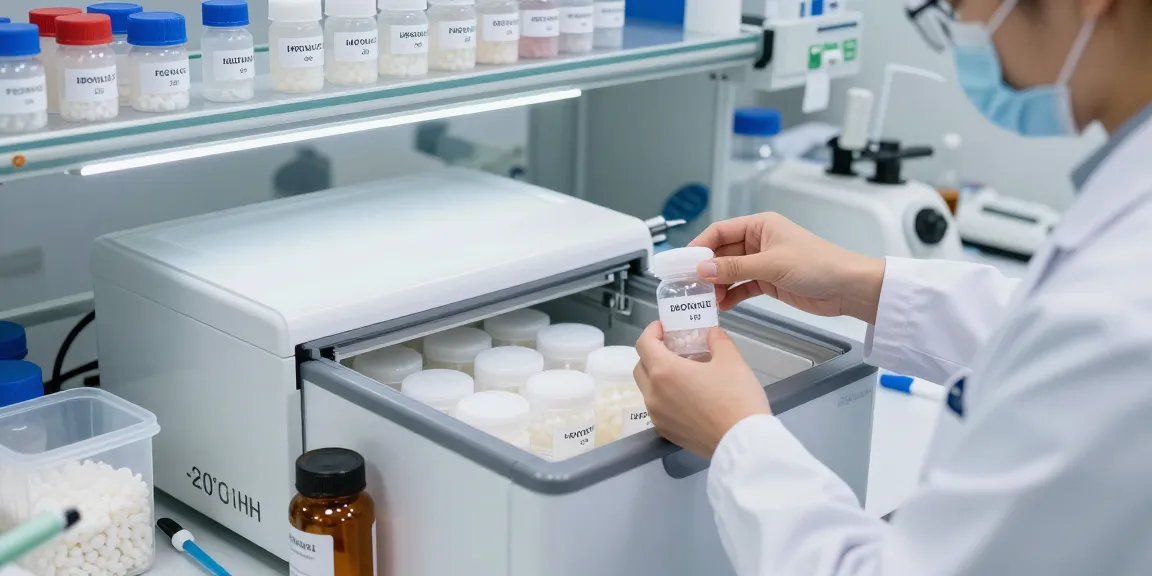
Understanding Lyophilisation Peptides
Lyophilisation, or freeze-drying, is a crucial process in the field of peptide synthesis and storage. It transforms liquid peptides into a dry form, extending their shelf life and facilitating their long-term stability. For researchers and laboratories working with lyophilisation peptides, understanding the storage protocols is essential for preserving their integrity and functionality. Without proper storage, peptides can degrade and lose their effectiveness, which could lead to inconsistent research results and wasted resources. To ensure optimal storage, we will explore detailed temperature protocols that mitigate degradation and enhance peptide usability in various applications.
When exploring options, lyophilisation peptides storage guidelines offer comprehensive insights into best practices and essential considerations.
What Are Lyophilisation Peptides?
Lyophilisation peptides are peptide sequences that have undergone the freeze-drying process, resulting in highly stable, powder-like products. This process removes moisture from the peptide solution, significantly lowering the possibility of degradation due to hydrolysis or microbial contamination. After lyophilisation, peptides are typically stored in sealed vials, making them suitable for various laboratory applications. Once reconstituted, however, the peptides’ stability decreases, necessitating careful handling and storage.
The Benefits of Proper Storage
Proper storage of lyophilisation peptides is vital for several reasons:
- Stability: Keeping peptides at recommended temperatures minimizes degradation.
- Integrity: Well-preserved peptides maintain their biological activity, ensuring reliable research outcomes.
- Shelf Life: Correct storage protocols can extend the usable life of peptides, maximizing research investments.
Common Misconceptions About Peptide Stability
Many misconceptions surround the storage and stability of lyophilisation peptides. One prevalent myth is that all peptides are equally stable regardless of their structure. In reality, certain amino acid residues, such as methionine and cysteine, can make peptides more prone to oxidation. Understanding these nuances is critical in developing robust storage protocols.
Temperature Protocols for Storage
Temperature is a key factor in the effective long-term storage of lyophilisation peptides. Different peptides have unique sensitivity to temperature fluctuations, necessitating tailored storage protocols to ensure their longevity and reliability.
Recommended Storage Temperatures
The standard practice for storing lyophilisation peptides is at -20 °C. This temperature effectively slows down degradation reactions, allowing sealed vials to maintain their stability for years. However, more sensitive peptides may require ultra-low temperature storage at -80 °C to preserve their structural integrity over extended periods.
How -80 °C Impacts Sensitive Peptide Stability
Storing sensitive peptide sequences at -80 °C offers enhanced protection against degradation. For peptides containing residues vulnerable to oxidation, such as methionine, this ultracold environment reduces oxidative stress and prolongs shelf life. Laboratories handling high-value or rare peptides should consider this storage temperature for long-term preservation.
Long-Term Storage at -20 °C: Best Practices
To maximize the stability of lyophilisation peptides at -20 °C, researchers should follow several best practices:
- Store peptides in a dedicated freezer to avoid temperature fluctuations caused by frequent door openings.
- Use sealed, moisture-proof vials to prevent humidity ingress.
- Label vials clearly with the storage date and sequence information to facilitate inventory management.
Moisture and Light Protection Strategies
Moisture and light exposure are two of the most critical factors affecting the stability of lyophilisation peptides during storage. Implementing effective protection strategies can significantly improve peptide integrity.
Impact of Moisture on Peptide Integrity
Even when lyophilisation peptides are in a dry state, they can still absorb moisture from the air once exposed. This exposure can lead to hydrolysis, resulting in decreased peptide activity and efficacy. For this reason, it is essential to handle vials carefully, allowing them to reach room temperature before opening to prevent condensation from forming inside.
Effective Light Protection Techniques
Many peptides are susceptible to photodegradation, making light protection essential. Researchers can use the following strategies:
- Store peptides in amber or opaque vials to block harmful light wavelengths.
- Place vials in dark storage containers or specialized freezer boxes to minimize light exposure.
Using Desiccants for Enhanced Stability
Incorporating desiccants within storage containers is an effective strategy to absorb any ambient moisture. Desiccants, such as silica gel packets, can help maintain a low-humidity environment even if the vial is opened for access. This practice adds an extra layer of protection to lyophilisation peptides stored under various conditions.
Handling and Reconstitution Guidelines
Once the decision to reconstitute lyophilisation peptides is made, proper handling becomes paramount to maintaining peptide stability and efficacy.
Best Practices for Vial Opening and Aliquoting
To minimize exposure to air and moisture, researchers should open lyophilisation peptide vials only when necessary. If repeated access is required, aliquoting peptides into smaller sub-vials is advisable. This approach reduces the risk of contamination and degradation over time.
Proper Use of Bacteriostatic vs. Sterile Water
When reconstituting peptides, the choice between bacteriostatic water and sterile water is critical. Bacteriostatic water, which contains 0.9% benzyl alcohol, helps inhibit microbial growth, making it a suitable option for multi-use vials. In contrast, sterile water is best suited for single-use applications, necessitating strict contamination protocols during handling.
Storage Conditions for Reconstituted Peptides
Reconstituted peptides must be stored at +2 to +8 °C, typically in a refrigerator. The duration of stability varies from peptide to peptide, commonly ranging between 14 and 28 days. For longer-term storage, it is recommended to freeze individual aliquots at -20 °C.
Future Trends in Peptide Storage Solutions
As research in peptide synthesis and application evolves, so too do the strategies for peptide storage. Emerging technologies and methodologies promise to enhance peptide preservation and handling.
Emerging Technologies in Peptide Preservation
Advancements in storage technology, including smart sensors and automation, could revolutionize how laboratories monitor peptide conditions. These technologies can provide real-time data on temperature and humidity, enabling proactive interventions to protect peptide integrity.
Research Trends for 2026 and Beyond
As peptide applications expand into therapeutics and diagnostics, the need for stringent storage protocols will intensify. Future research will likely focus on understanding the stability of complex peptide formulations, leading to better recommendations for storage conditions.
Predictions for Peptide Storage Innovations
Innovative storage materials, such as biodegradable desiccants and advanced cryopreservation techniques, may become mainstream. These advancements will provide enhanced stability while also addressing environmental concerns.
What temperature should lyophilisation peptides be stored at?
Lyophilisation peptides should typically be stored at -20 °C for standard long-term storage, while sensitive peptides may require -80 °C for optimal preservation.
How does moisture affect lyophilisation peptides?
Moisture can lead to hydrolysis in lyophilisation peptides, degrading their structure and activity. Keeping peptides sealed and handling them carefully is crucial to prevent moisture exposure.
Why is light protection necessary for peptide stability?
Light exposure can cause photodegradation, which compromises peptide integrity. Storing peptides in opaque or amber vials and minimizing light exposure is important for maintaining stability.
What are the best practices for reconstituting peptides?
Best practices include using appropriate solvents like bacteriostatic or sterile water, aliquoting to minimize exposure, and refrigeration of reconstituted peptides.
What are the advantages of using bacteriostatic water?
Bacteriostatic water helps inhibit microbial growth, making it suitable for the multi-use of reconstituted peptides, thereby extending their usability while maintaining safety.