Posted on

Is snuseoul Eye Care Worth It? An Honest 2026 Assessment

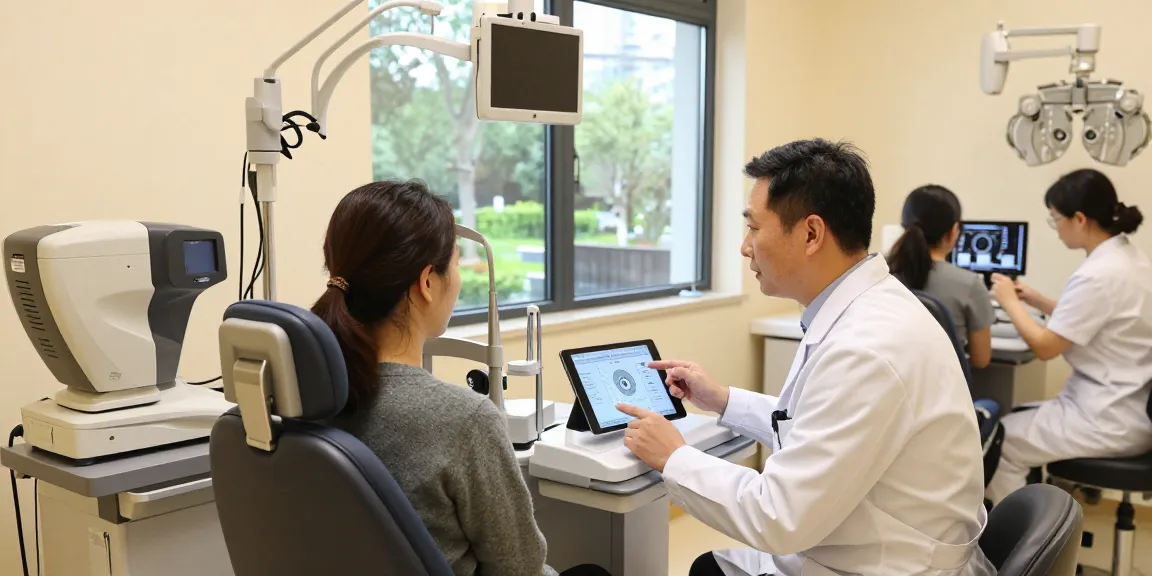
Detailed eye consultation at SNU Eye Clinic with expert discussing results, showcasing personalized care in snuseoul.

The Comprehensive Eye Care Services at SNU Eye Clinic

At the SNU Eye Clinic, located in the heart of Seoul, South Korea, you are assured of receiving world-class eye care tailored to your unique vision needs. The clinic is renowned for its state-of-the-art facilities, dedicated professionals, and a holistic approach to eye health. With a commitment to excellence, SNU Eye Clinic provides comprehensive solutions ranging from routine eye examinations to advanced surgical interventions. When exploring options, snuseoul offers comprehensive insights into their services, ensuring that patients make informed decisions about their eye care.

Understanding the Key Treatments Offered

The SNU Eye Clinic specializes in a variety of advanced eye care treatments. Whether patients are seeking laser eye surgery, intraocular contact lens (ICL) procedures, or treatment for complex vision problems, the clinic is well-equipped to handle all cases. Key treatments include:

  • Laser Eye Surgery: A cutting-edge refractive surgery that corrects common vision problems such as myopia, hyperopia, and astigmatism.
  • ICL (Intraocular Contact Lens): A revolutionary option for those not suited for LASIK, providing high-definition vision correction.
  • Toric ICL: Specifically designed for correcting astigmatism in addition to nearsightedness or farsightedness.
  • Cataract Surgery: Utilizing the latest techniques and technologies for a successful visual outcome.

Importance of 52 Detailed Tests in Eye Care

One of the defining features of the SNU Eye Clinic is its commitment to thorough diagnostics. The clinic employs a comprehensive program containing 52 detailed tests categorized into seven key areas of eye health. These tests allow for:

  • Early Detection: Identifying potential eye problems before they escalate.
  • Personalized Treatment Plans: Tailoring interventions based on individual diagnostics, enhancing the success of treatments.
  • Comprehensive Eye Health Assessments: Covering everything from the structural health of the eyes to functional vision analysis.

How SNU Eye Clinic Stands Out in Vision Correction

The SNU Eye Clinic sets itself apart through its personalized 1:1 vision correction approach. Each patient receives individualized attention throughout their eye care journey. Key features include:

  • Customized Care: A dedicated eye care professional guides each patient through the selection of the most suitable treatment options.
  • Advanced Technology: Utilizing the latest surgical techniques and equipment to ensure precision and minimal recovery time.
  • Exceptional Expertise: The medical team comprises specialists with extensive training and experience in various subspecialties of ophthalmology.

Evaluating Patient Satisfaction and Outcomes

Analyzing the effectiveness and patient satisfaction of eye care services is crucial for prospective patients. At SNU Eye Clinic, various metrics highlight the success of its treatments.

Success Rates of Surgeries Performed

The success rates for surgeries performed at SNU Eye Clinic speak volumes about its expertise. Recent statistics show:

  • 95% satisfaction rate among patients who underwent laser eye surgeries.
  • 98% success rate for ICL procedures, with many patients achieving 20/20 vision.

Such outcomes provide reassurance for those considering eye surgery as a viable solution for vision issues.

Patient Testimonials and Real-Life Experiences

Patient testimonials provide insight into the quality of care at SNU Eye Clinic. Many patients report life-changing improvements in their vision and overall experience:

  • “The surgery was quick and I could see clearly right away!”
  • “The staff was knowledgeable and made me feel comfortable throughout the process.”

These testimonials underscore the importance of patient-centered care, which remains a hallmark of SNU Eye Clinic.

Comparative Analysis of Eye Clinics in snuseoul

When comparing eye clinics in snuseoul, SNU Eye Clinic consistently emerges as a leader due to its comprehensive services and strategic focus on advanced technologies. Factors to consider in this analysis include:

  • Quality of medical professionals and their training.
  • The range of services and treatments offered.
  • Patient outcomes and satisfaction.

Innovative Technologies in Eye Surgery

Ophthalmology is a rapidly evolving field, and SNU Eye Clinic remains at the forefront of innovative technologies shaping modern eye care. The use of advanced equipment not only enhances the precision of surgeries but also improves patient outcomes.

The Role of ICL and Toric ICL in Vision Correction

ICL technology has revolutionized the landscape of vision correction for many patients. In contrast to traditional LASIK, ICL can address a broader range of vision problems:

  • It is suitable for individuals with high degrees of refractive error.
  • The procedure is reversible, allowing for adjustments or removals if necessary.

How Advanced Equipment Enhances Surgical Precision

Utilizing the latest lasers and imaging technologies, SNU Eye Clinic ensures that every surgical procedure is executed with maximum precision. The benefits of advanced equipment include:

  • Minimally invasive procedures resulting in shorter recovery times.
  • Increased accuracy in correcting refractive errors.

Future Trends in Eye Care Technology for 2026

Looking ahead, the landscape of eye care is set to witness further innovations by 2026, such as:

  • Integration of artificial intelligence for enhanced diagnostics and personalized treatment recommendations.
  • Development of smarter, personalized lenses that adjust in real time to changing vision needs.

Addressing Common Concerns About Eye Surgery

It’s natural to have concerns before undergoing any surgical procedure. At SNU Eye Clinic, we address these concerns transparently.

Potential Risks and Recovery Insights

Understanding the potential risks associated with eye surgery is essential. While complications are rare, they can occur. Key considerations include:

  • Potential for dry eyes or glare post-surgery.
  • Risk of undercorrection or overcorrection.

Affordability and Payment Options for Patients

Eye surgery may appear daunting in terms of cost, but SNU Eye Clinic offers various payment options to make treatment accessible. Considerations include:

  • Flexible payment plans.
  • Potential insurance coverage for specific procedures.

Common Misconceptions About Eye Treatments

Several misconceptions surrounding eye surgery can deter individuals from seeking treatment. Educating patients on these myths is crucial:

  • Myth: Laser eye surgery is painful – Reality: Most patients report minimal discomfort during the procedure.
  • Myth: Eye surgery is for older patients only – Reality: Many younger individuals are excellent candidates for vision correction.

Why Choose SNU Eye Clinic for Your Eye Health?

Choosing the right eye clinic is crucial for optimal eye health, and SNU Eye Clinic offers unparalleled advantages for patients.

Personalized Care and 1:1 Vision Correction Approach

The clinic guarantees a 1:1 vision correction approach where patients receive personalized consultations and treatment plans tailored to their specific needs. This individual attention fosters trust and confidence, making the entire process smoother.

The Expertise of Medical Professionals at SNU Eye Clinic

SNU Eye Clinic prides itself on its highly qualified ophthalmologists who specialize in various subspecialties of eye care, ensuring that every patient benefits from expert guidance throughout their journey.

Future of Eye Care in snuseoul: What to Expect in 2026

As we approach 2026, advancements in eye care technology and surgical techniques are expected to enhance the standard of care provided. SNU Eye Clinic remains committed to integrating these innovations into its practice, ensuring patients receive the best possible treatment.

What Should I Expect During My First Visit?

Your first visit to SNU Eye Clinic will involve a comprehensive initial consultation, including a detailed eye examination, to determine the best treatment options for you. Expect a welcoming environment where all your questions will be answered.

How Can I Prepare for Eye Surgery?

Patients should follow specific pre-operative instructions, such as avoiding contact lenses and informing the medical team of any medications they are taking. This preparation is vital for a successful surgery.

What Are the Post-Operative Care Guidelines?

Post-operative care is crucial for achieving optimal results. Patients are advised to:

  • Follow prescribed eye drop regimens.
  • Avoid strenuous activities for a designated recovery period.

What Types of Vision Problems Can ICL Correct?

ICL is highly effective for correcting conditions such as nearsightedness, farsightedness, and astigmatism. It is particularly beneficial for patients with high prescriptions who may be unsuitable for other corrective procedures.

Is Laser Eye Surgery Safe for Everyone?

While laser eye surgery is generally safe, it may not be appropriate for everyone. Candidates must undergo thorough evaluations to ensure that their eye health conditions are suitable for surgery.

What Are the Signs That I Need Eye Surgery?

Common signs that could indicate the need for eye surgery include:

  • Frequent changes in vision.
  • Dependence on glasses or contact lenses that no longer meet your needs.
  • Increased sensitivity to light or glare.
Posted on

Boost Your Well-Being with Proven Health Strategies

Understanding Health: Definitions and Dimensions

Health is often perceived merely as the absence of illness; however, the World Health Organization (WHO) defines health as a state of complete physical, mental, and social well-being. This expansive definition encourages a holistic understanding of health, encompassing various dimensions that contribute to an individual’s overall quality of life. In this section, we will explore the multifaceted nature of health, the various dimensions it encompasses, and the determinants that influence our health status.

The Concept of Health: More Than Just Absence of Disease

The traditional view of health has evolved significantly over the past few decades. While many people still associate health with the absence of disease, health is now understood as a dynamic state that involves physical, mental, and emotional well-being. The biopsychosocial model of health highlights that health is influenced by biological factors, psychological processes, and social conditions.

For example, consider a person who is physically fit but experiences chronic stress due to work pressures. This individual may appear healthy on the outside, yet their mental health could be severely compromised, leading to issues such as anxiety or depression. Thus, health must be viewed through a broader lens, considering various factors that contribute to one’s overall well-being.

Dimensions of Health: Physical, Mental, and Social Well-being

Health is commonly categorized into three primary dimensions: physical, mental, and social well-being. Understanding these dimensions is crucial for developing a comprehensive approach to health management.

  • Physical Well-being: This dimension refers to the optimal functioning of the body and its systems. It includes aspects such as nutrition, exercise, sleep, and the absence of illness. Engaging in regular physical activity and maintaining a balanced diet are key components of physical health.
  • Mental Well-being: Mental health encompasses emotional, psychological, and social well-being. It affects how we think, feel, and act. It also influences how we handle stress and relate to others. Mental well-being is vital for overall health and can be supported through practices such as mindfulness, therapy, and social connections.
  • Social Well-being: This dimension involves the quality of relationships and social networks that individuals maintain. Healthy social interactions can lead to improved mental health and provide emotional support during challenging times. Community engagement and strong interpersonal relationships are essential for fostering social well-being.

Determinants of Health: Factors Influencing Our Health Status

Health is influenced by a complex interplay of various determinants, including genetics, behaviors, social circumstances, and environmental factors. Understanding these determinants can help individuals and communities take proactive measures towards improving health outcomes.

Some key determinants include:

  • Genetics: Inherited traits can predispose individuals to certain health conditions, such as diabetes or heart disease.
  • Behavior: Lifestyle choices like diet, exercise, smoking, and alcohol consumption significantly impact health. For instance, a sedentary lifestyle can lead to weight gain and associated health problems.
  • Social Environment: Socioeconomic status, education, and access to healthcare services play critical roles in determining health. Individuals in lower socioeconomic groups often face barriers to accessing quality healthcare.
  • Physical Environment: Environmental factors such as pollution, housing conditions, and access to recreational spaces can affect physical health. Urban design that promotes walkability, for example, can encourage physical activity.

Navigating Nutrition: The Foundation of Good Health

Nutrition is a cornerstone of health and wellness. The food we consume has profound effects on our physical health, mental well-being, and overall quality of life. A well-balanced diet can prevent disease, enhance mood, and improve energy levels. In this section, we will delve into essential nutrients, the concept of a balanced diet, and common nutrition myths that need debunking.

Essential Nutrients: Understanding Macronutrients and Micronutrients

Nutrients are substances that provide nourishment essential for growth and the maintenance of life. They are broadly categorized into macronutrients and micronutrients.

  • Macronutrients: These nutrients are needed in larger amounts and include carbohydrates, proteins, and fats. Each macronutrient plays a crucial role in bodily functions:
    • Carbohydrates: The body’s primary source of energy, found in foods like grains, fruits, and vegetables.
    • Proteins: Essential for building and repairing tissues, proteins are found in meat, beans, nuts, and dairy products.
    • Fats: Necessary for hormone production and nutrient absorption, healthy fats can be found in avocados, olive oil, and fish.
  • Micronutrients: These are vitamins and minerals needed in smaller quantities but are equally important. For instance:
    • Vitamins: Such as vitamin C (for immune function) and vitamin D (for bone health).
    • Minerals: Such as iron (for blood health) and calcium (for bone strength).

Balanced Diet: Building Your Plate for Optimal Health

A balanced diet is one that provides the right proportions of nutrients to maintain health and energy levels. The following tips can help you build a healthy plate:

  1. Include a Variety of Foods: Aim to incorporate a range of fruits, vegetables, whole grains, proteins, and healthy fats into your meals.
  2. Control Portion Sizes: Be mindful of serving sizes to avoid overeating. Using smaller plates can help manage portion sizes effectively.
  3. Limit Processed Foods: Reduce intake of processed and sugary foods, which can lead to health issues like obesity and diabetes.
  4. Stay Hydrated: Drink plenty of water throughout the day; hydration is key for overall health.

By following these guidelines, individuals can create a balanced diet that supports both physical and mental health.

Nutrition Myths and Facts: Debunking Common Misconceptions

Nutrition is often surrounded by myths and misconceptions that can hinder healthy eating habits. Here are some common myths debunked:

  • Myth: Carbohydrates are bad for you.
  • Fact: Carbohydrates are essential for energy. The key is to choose whole, unprocessed carbs like whole grains over refined sugars.
  • Myth: All fats are unhealthy.
  • Fact: Healthy fats, such as those found in fish, nuts, and avocados, are vital for heart health and overall well-being.
  • Myth: Skipping meals is a good way to lose weight.
  • Fact: Skipping meals can lead to overeating later and may disrupt metabolism. Regular meals help maintain energy levels.

By understanding these facts, individuals can make informed dietary choices that promote better health outcomes.

Physical Activity: The Role of Exercise in Health

Regular physical activity is essential for maintaining good health. Exercise not only helps manage weight but also reduces the risk of chronic diseases, enhances mental health, and improves overall quality of life. In this section, we will examine different types of exercise, tips for creating sustainable fitness routines, and advanced training techniques for those looking to maximize performance.

Types of Exercise: Aerobic, Anaerobic, and Flexibility Training

Exercise can be categorized into three main types: aerobic, anaerobic, and flexibility training. Each type offers unique benefits:

  • Aerobic Exercise: This type includes activities that increase heart rate and improve cardiovascular health, such as running, swimming, and cycling. Regular aerobic exercise can lower the risk of heart disease and improve lung function.
  • Anaerobic Exercise: Involves high-intensity activities that build strength and muscle mass, such as weight lifting and sprinting. Anaerobic exercise is crucial for increasing metabolism and maintaining muscle health as we age.
  • Flexibility Training: This type includes stretching exercises that improve the range of motion in joints and reduce injury risk. Activities like yoga and Pilates enhance flexibility and can also promote relaxation.

Creating a Sustainable Fitness Routine: Tips for Beginners

Starting a fitness routine can be daunting, but with the right approach, it can become an enjoyable part of your daily life. Here are some practical tips for beginners:

  1. Set Realistic Goals: Start with achievable goals, such as exercising for 20 minutes three times a week, and gradually increase the intensity and duration.
  2. Choose Activities You Enjoy: Whether it’s dancing, hiking, or cycling, engaging in activities you find enjoyable increases the likelihood of sticking with your routine.
  3. Schedule Workouts: Treat your workouts like important appointments. Set aside specific times during the week dedicated to exercise.
  4. Find a Workout Buddy: Exercising with a friend can provide motivation and accountability, making workouts more enjoyable.

Advanced Training Techniques: Maximizing Performance and Recovery

For those who are more experienced in their fitness journey, incorporating advanced training techniques can help maximize performance and recovery:

  • High-Intensity Interval Training (HIIT): This technique involves alternating between short bursts of intense exercise and rest periods. HIIT can improve cardiovascular fitness and burn more calories in a shorter time.
  • Progressive Overload: Gradually increasing the weight, frequency, or number of repetitions in your strength training routine helps stimulate muscle growth and strength gains.
  • Active Recovery: Incorporating lighter activities like walking or yoga on rest days can aid recovery and prevent burnout.
  • Listen to Your Body: Pay attention to signs of fatigue or pain. Rest and recovery are just as important as the workouts themselves for achieving long-term fitness goals.

Mental Health: Strategies for Emotional Well-being

Mental health is an integral part of overall health, influencing thoughts, emotions, and interactions with others. Prioritizing mental well-being is essential for leading a fulfilling life. This section will cover recognizing mental health issues, effective coping strategies, and how to seek help when needed.

Recognizing Mental Health Issues: Signs and Symptoms

Identifying mental health issues is the first step towards seeking help. Common signs and symptoms include:

  • Persistent sadness or low mood
  • Increased anxiety or worry
  • Changes in eating or sleeping patterns
  • Withdrawal from friends and activities
  • Difficulty concentrating or making decisions

If you or someone you know exhibits these symptoms, it’s important to take them seriously, as early intervention can lead to better outcomes.

Effective Coping Strategies: Mindfulness and Stress Management Techniques

Developing effective coping strategies is key to managing mental health. Here are some techniques that can help:

  • Mindfulness: Practicing mindfulness through meditation or deep breathing exercises can reduce stress and enhance emotional regulation. Apps like Headspace or Calm offer guided sessions to help beginners.
  • Physical Activity: Regular exercise has been shown to reduce symptoms of anxiety and depression. Aim for at least 150 minutes of moderate aerobic activity each week.
  • Social Support: Building and maintaining a supportive network of friends and family can provide emotional comfort and practical help during tough times.
  • Journaling: Writing down thoughts and feelings can provide clarity and serve as an emotional outlet.

Seeking Help: When and How to Access Mental Health Services

Knowing when and how to seek help is crucial for maintaining mental wellness. Here are steps to take:

  1. Recognize When to Seek Help: If symptoms persist or worsen, reaching out to a mental health professional is essential.
  2. Types of Mental Health Professionals: Psychologists, psychiatrists, and licensed counselors can provide various forms of therapy and support.
  3. Accessing Services: Many communities offer mental health resources through clinics, hospitals, or nonprofit organizations. Online therapy options also provide flexibility and accessibility.
  4. Be Open to Treatment: Approaches may include therapy, medication, or a combination of both. Finding the right treatment can take time, but persistence is key.

Preventative Health: Strategies for Long-term Wellness

Preventative health focuses on measures that promote wellness and prevent disease before it occurs. By adopting healthy habits and participating in regular screenings, individuals can significantly enhance their quality of life. This section will discuss the importance of screenings, vaccinations, and lifestyle changes for disease prevention.

Screenings and Check-ups: Importance of Regular Health Assessments

Routine health screenings and check-ups are vital for detecting potential health issues early. Here’s why they matter:

  • Early Detection: Screenings can identify conditions such as high blood pressure, diabetes, or cancer at stages where they are more easily treatable.
  • Monitoring Health: Regular check-ups allow healthcare providers to monitor existing conditions and adjust treatment plans as necessary.
  • Building a Relationship with Your Healthcare Provider: Consistent visits foster communication and trust, making it easier to discuss health concerns.

Common screenings include blood pressure checks, cholesterol levels, and cancer screenings (such as mammograms and colonoscopies) based on age and risk factors.

Vaccinations: Protecting Yourself and Community Health

Vaccinations play a crucial role in preventing diseases and protecting public health. Vaccines work by stimulating the body’s immune response, providing immunity against specific infections. Here’s why vaccinations are essential:

  • Individual Protection: Vaccines protect you from serious diseases such as measles, flu, and hepatitis.
  • Herd Immunity: High vaccination rates in a community can prevent outbreaks, protecting those who cannot be vaccinated due to medical reasons.
  • Cost-Effective: Vaccination is often more cost-effective than treating diseases, reducing healthcare costs in the long run.

Consult with healthcare providers to keep vaccination schedules up to date and to understand which vaccines are recommended based on age and health status.

Lifestyle Changes for Disease Prevention: Practical Steps to Take

Making conscious lifestyle changes can significantly reduce the risk of chronic diseases. Here are practical steps to consider:

  1. Maintain a Healthy Weight: Aim for a healthy body weight through proper nutrition and regular physical activity.
  2. Limit Alcohol Consumption: If you drink alcohol, do so in moderation, adhering to guidelines of no more than one drink per day for women and two for men.
  3. Quit Smoking: If you smoke, seek resources to quit. Smoking cessation dramatically reduces the risk of heart disease, lung cancer, and stroke.
  4. Manage Stress: Incorporate stress-reduction techniques such as yoga, meditation, or hobbies into daily routines.

Implementing these lifestyle changes can have profound effects on long-term health and wellness, setting the stage for a healthier future.