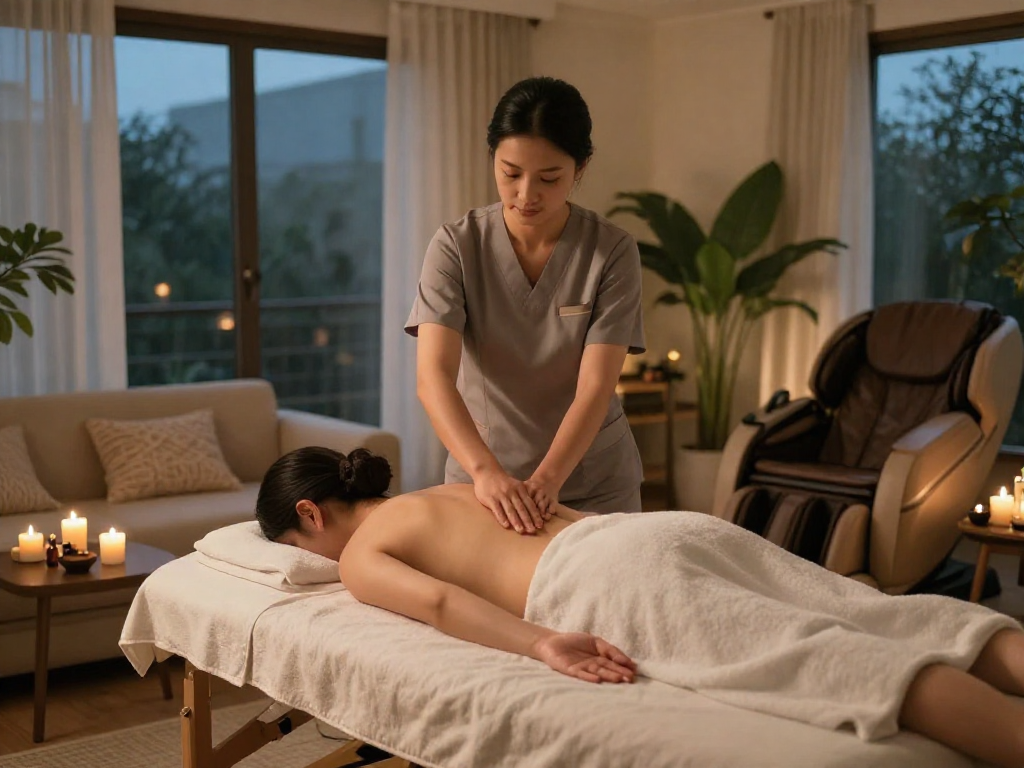
The Importance of Mindfulness in the Motchill Journey
In an age where stress and anxiety are commonplace, the pursuit of mindfulness has emerged as a beacon of hope for many seeking balance and serenity. Embracing a mindful practice is not just about relaxation but about finding a deeper connection with oneself. One such approach is the concept of Motchill, which extends beyond mere meditation to encompass a lifestyle rooted in peace and awareness. When exploring options, Motchill provides comprehensive insights into cultivating such practices for both personal and communal benefit.
Understanding Motchill and Its Benefits
Motchill can be understood as a holistic approach that integrates various mindfulness techniques tailored to individual preferences and lifestyles. This practice encourages awareness of thoughts and feelings without judgment, enabling practitioners to navigate life's challenges with greater ease. Some key benefits include:
- Enhanced Emotional Stability: Regular practice of Motchill can lead to improved emotional regulation, reducing symptoms of stress and anxiety.
- Increased Focus: Mindfulness exercises enhance concentration, allowing individuals to engage more fully in their daily tasks.
- Better Sleep Quality: Incorporating mindfulness can lead to a decrease in insomnia and other sleep disturbances.
Mental Health Gains Through Relaxation
The link between relaxation techniques and mental health is well-documented. Engaging in Motchill allows individuals to experience a profound sense of relaxation that directly contributes to their overall mental well-being. Here are a few essential mental health gains achieved through relaxation:
- Reduction of Stress: Mindfulness activities lower cortisol levels, the hormone associated with stress.
- Enhanced Resilience: Practicing Motchill builds resilience, enabling individuals to cope better with life's adversities.
- Greater Self-Awareness: Mindfulness helps develop a keen awareness of one’s thoughts and emotions, fostering personal growth.
How to Integrate Mindfulness Daily
Incorporating Motchill into daily life doesn’t require extensive time commitments. It can be as simple as dedicating a few minutes each day to mindful practices. Here are some practical tips:
- Start Small: Begin with just five minutes of meditation or deep breathing exercises each morning.
- Create Reminders: Use smartphone alerts to remind you to pause and practice mindfulness throughout the day.
- Be Present: Focus on your immediate experience during mundane tasks like eating or walking.
Common Misconceptions About Motchill Practices
Debunking Myths About Meditation
Many people harbor misconceptions about meditation, often believing it to be a complex or time-consuming practice. However, Motchill simplifies meditation, making it accessible to all. Here are some common myths:
- Meditation Requires Silence: While quiet environments can help, meditation can occur in various settings, with distractions serving as focal points.
- You Need to Empty Your Mind: The aim is not to empty the mind but to observe thoughts without attachment.
Misunderstandings Around Relaxation Techniques
Relaxation techniques are often viewed as self-indulgent or unnecessary. In reality, they are essential for maintaining mental and physical health. Misunderstood relaxation methods can include:
- Only for Stress Relief: Relaxation techniques can enhance creativity and productivity, not just serve as a remedy for stress.
- Too Time-Consuming: Practices such as deep breathing can be done in just a few minutes, making them easily integrated into a busy lifestyle.
Identifying Genuine Sources of Guidance
As interest in mindfulness grows, so does the influx of resources on the subject. It's crucial to distinguish credible sources from those lacking authenticity. Look for:
- Certified Instructors: Seek programs led by certified mindfulness instructors.
- Evidence-Based Practices: Opt for resources that share research-backed methodologies.
Practical Techniques for Enhancing Your Motchill Experience
Establishing Your Meditation Space
Creating a dedicated space for Motchill practices can significantly enhance your experience. Consider the following elements:
- Comfortable Seating: A cushion or chair that supports your posture is essential.
- Ambience: Use calming colors and natural elements, like plants, to foster relaxation.
- Minimal Distractions: Keep this space free of clutter and electronic devices.
Incorporating Breathing Exercises
Deep breathing is a cornerstone of many mindfulness practices. Techniques such as diaphragmatic breathing can help ground you in the present moment:
- Breathe In: Inhale slowly through your nose for a count of four.
- Hold: Retain your breath for a count of four.
- Breathe Out: Exhale through your mouth for a count of six.
Utilizing Nature for Grounding
Nature serves as an excellent backdrop for Motchill practices. Spending time outdoors can amplify the benefits of mindfulness:
- Nature Walks: Engage in mindful walking where you focus on the sounds, sights, and smells around you.
- Guided Nature Meditations: Use apps or recordings that lead you through mindful practices in natural settings.
Measuring Your Progress in Motchill Practices
Tracking Mental Clarity and Calm
Measuring the impact of your Motchill practice can provide motivation to continue. Consider keeping track of:
- Journals: Write entries describing your feelings and experiences post-practice.
- Mindful Check-Ins: Take note of your emotional state before and after engaging in mindfulness techniques.
Using Journals for Reflection
Reflective journaling can deepen your understanding of your emotional landscape. Focus on questions like:
- What emotions arose during practice?
- How has my perspective shifted?
Establishing a Routine: What to Expect
Setting a routine is critical for cultivating lasting habits. A structured approach ensures consistency, leading to more robust outcomes. Typical expectations include:
- Initial Challenges: Expect some resistance initially; persistence is key.
- Gradual Improvement: Over time, increased clarity and calmness should become apparent.
The Future of Wellness: Emerging Trends in 2026
Technological Innovations Supporting Mindfulness
The intersection of technology and mindfulness is anticipated to expand significantly by 2026. Innovations such as:
- VR Meditation: Virtual reality experiences offering immersive environments for meditation practice.
- Apps for Emotional Tracking: Technology that helps users monitor their mental health in relation to their mindfulness practice.
Changing Perceptions Around Mental Health
As mindfulness becomes mainstream, societal perceptions regarding mental health are evolving. Increased awareness is fostering a more supportive environment for those seeking help. Key shifts include:
- Open Dialogue: Societal stigma around mental health conversations continues to diminish.
- Workplace Wellness Initiatives: Companies are integrating mindfulness programs into their health and wellness strategies.
Embracing Community for Support
The future of Motchill practices will likely include a stronger emphasis on community engagement. Consider:
- Group Sessions: Participating in community meditation sessions fosters connection and shared growth.
- Online Communities: Engaging with digital platforms that offer forums for sharing experiences and resources.
How to Maintain Momentum in Your Journey
Maintaining momentum requires intention and dedication. Some strategies include:
- Setting Goals: Define clear, achievable goals for your mindfulness practices.
- Seek Accountability: Partner with a friend or join a community group to stay motivated.
Supplementing with Alternative Wellness Practices
Incorporating additional wellness practices can enrich your Motchill experience. Options include:
- Yoga: Enhances physical presence and complements mindfulness.
- Aromatherapy: Uses scents to promote relaxation during your practice.
What Experts Predict for Mindfulness in 2026
Experts forecast that mindfulness will continue to evolve, becoming an essential component of wellness. Predictions include:
- Integration in Educational Systems: Schools may adopt mindfulness training as part of curricula.
- Increased Research: Further studies on the efficacy of mindfulness practices will deepen understanding and acceptance.
FAQ
What is the best way to start practicing Motchill?
Start with short, daily sessions focusing on breath awareness. Gradually extend the time as you become more comfortable with the practice.
Can I practice Motchill in a group setting?
Absolutely! Group settings can enhance the experience, providing a sense of community and support.
How often should I practice Motchill techniques?
Consistency is more critical than frequency. Aim to practice daily, even if just for a few minutes.
Will I see immediate results from practicing Motchill?
While some might notice immediate relief, lasting benefits generally build over time with consistent practice.
Are there specific apps that assist with Motchill practices?
Yes, several apps are designed to guide you through mindfulness exercises, offering various features catering to different experience levels.